



Haemorrhoids: Symptoms, Causes and Treatment
Private consultations, symptom relief and practical support.
Price
£33.99
Book Appointment
Understanding the condition
What Are Haemorrhoids?
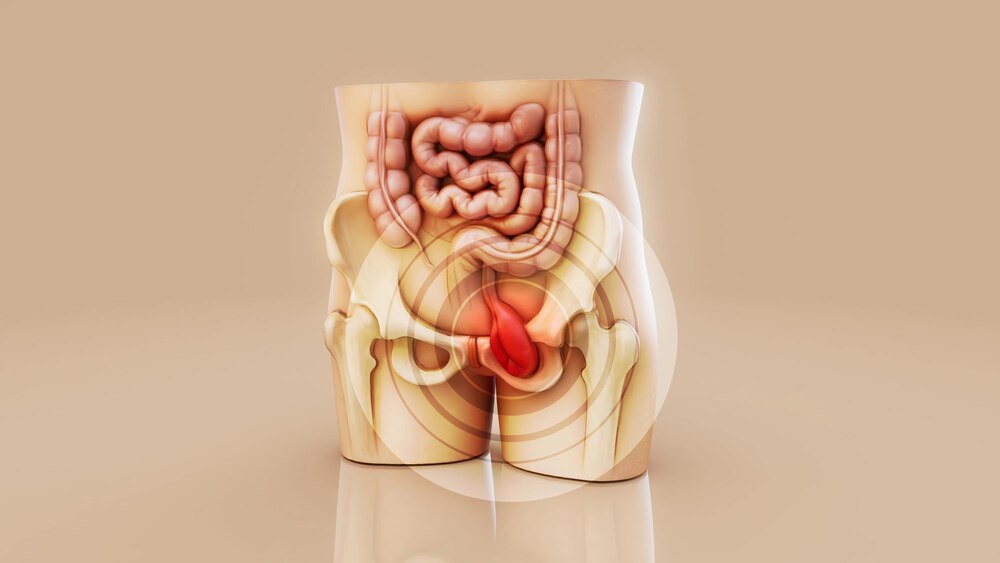
Haemorrhoids are swollen veins in the lower rectum or around the anus. They can be internal or external and commonly cause pain, itching, discomfort and occasional bleeding during bowel movements. Contributing factors include constipation, straining, pregnancy, a low-fibre diet and prolonged sitting. Many cases are mild and improve with self-care measures like dietary changes and topical treatments. However, persistent bleeding, severe pain, or a lump that doesn't resolve should prompt a consultation with a healthcare professional for assessment and possible further treatment.
Treatment options
Relief and Treatments
Treatment ranges from simple self-care to clinical procedures. Over-the-counter options include topical creams, suppositories and analgesics to ease pain and inflammation. Non-prescription measures like warm sitz baths, increased fibre, hydration and stool softeners reduce straining. For persistent or severe haemorrhoids, your GP or a specialist may offer minimally invasive procedures such as rubber band ligation, sclerotherapy or coagulation. In rare cases surgical removal is recommended. A pharmacist can advise on suitable OTC products and when to see a doctor for further assessment.

OTC Remedies
Creams, suppositories and pain relief available.
Lifestyle Advice
Dietary fibre, fluids and exercise reduce symptoms.
Clinic Support
Confidential advice and referral when needed.
Self-care and professional help
Managing Symptoms and Prevention
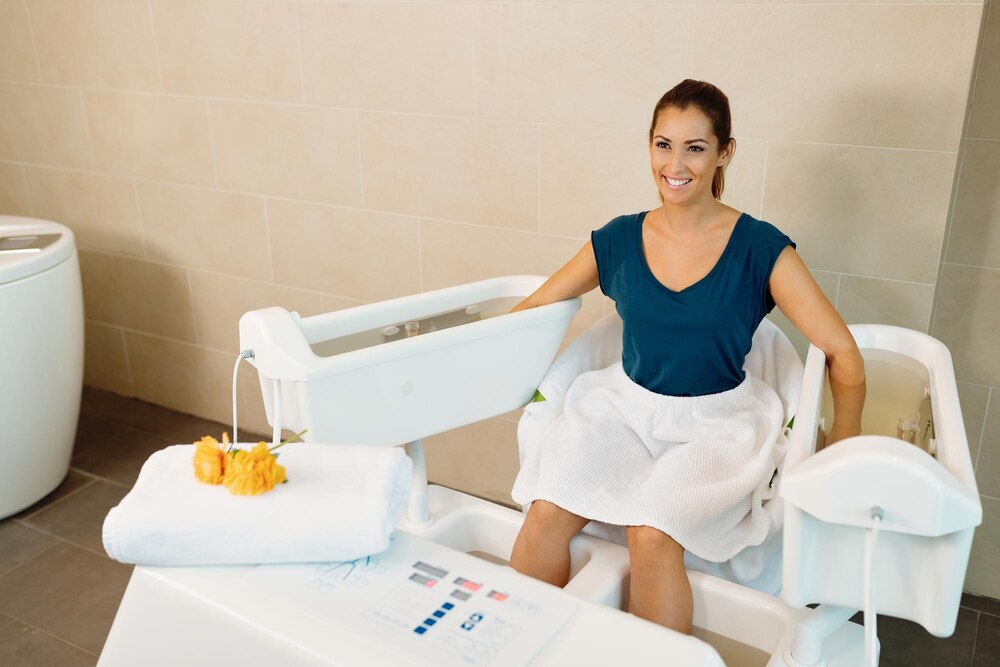
Simple daily habits can prevent flare-ups and reduce symptoms. Warm sitz baths for ten to fifteen minutes soothe irritation and promote healing. Increasing fibre intake and drinking more water keep stools soft and reduce straining. Maintaining a healthy weight and regular physical activity help reduce pressure on pelvic veins. Good hygiene and avoiding prolonged time on the toilet are helpful. If symptoms persist despite these measures, seek clinical assessment for targeted treatments or procedures that can provide longer-term relief.
Warm sitz baths
High-fibre diet
Maintain healthy weight
Avoid prolonged straining
Key Facts
Most people experience temporary relief with home measures such as fibre supplementation, stool softeners and topical treatments. Over-the-counter options are effective for many, but persistent symptoms, recurrent bleeding or severe pain require medical assessment. Minimally invasive procedures are widely available and successful for persistent haemorrhoids. Early attention to bowel habits and diet reduces recurrence risk. Confidential advice from pharmacists and clinicians ensures appropriate treatment while identifying signs that need urgent review.
Common and treatable condition
Symptoms include pain and bleeding
Self-care often effective
See GP for persistent bleeding
FAQs
Answers to common questions about haemorrhoids.
What causes haemorrhoids?
They are caused by increased pressure on rectal veins from straining, constipation, pregnancy, or prolonged sitting.
How can I relieve symptoms at home?
Use warm sitz baths, increase fibre and fluids, avoid straining and consider OTC creams or suppositories for short-term relief.
When should I see a doctor?
See a GP for heavy bleeding, severe pain, prolapse that won't reduce, or if symptoms persist despite self-care.
Are haemorrhoids serious?
Most are not serious and respond to treatment, but persistent bleeding should be investigated to rule out other conditions.
Can haemorrhoids be permanently cured?
Many are managed successfully with lifestyle changes and procedures; some people may have recurrent symptoms that need repeat treatment.