



Ear Health Consultation
Expert ear care, practical advice and safe treatments for adults and children.
Price
from £20
Book Appointment
Practical, safe ear care
Comprehensive Ear Assessment and Care
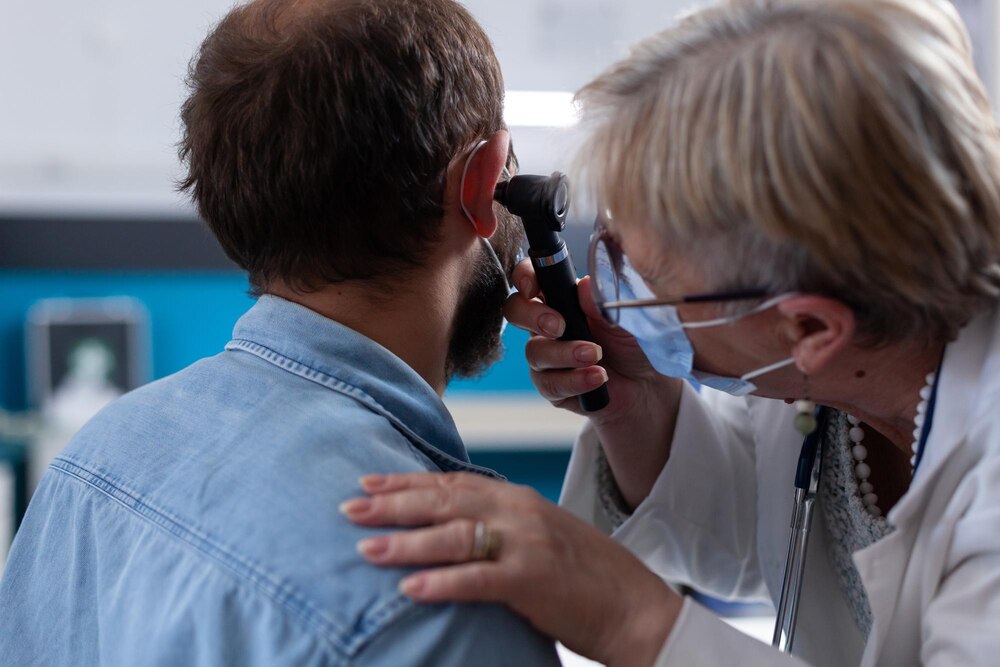
Our ear health consultations begin with a focused history and a careful visual examination using an otoscope. We assess for earwax build-up, signs of infection, eardrum problems and hearing concerns. When appropriate, we offer microsuction or safe irrigation for wax removal in-clinic. If further investigation or specialist referral is needed—for example for chronic ear discharge, sudden hearing loss or suspected middle-ear disease—we will advise next steps and coordinate care. We prioritise comfort, safety and clear aftercare instructions tailored to your needs.
In-person ear assessments
Safe earwax removal options
Quick same-day advice
Referral for specialist care
Gentle microsuction and safe alternatives
Earwax Removal Options
Microsuction is a preferred method for earwax removal because it is precise, minimally uncomfortable, and suitable for many patients including those with perforated eardrums or hearing aids. We use a specialist microscope and gentle suction to clear wax under direct vision, reducing the risk of pushing wax deeper. Appointments include a brief assessment, the procedure itself, and tailored aftercare advice. If microsuction isn't appropriate, we discuss alternatives such as gentle irrigation or referral. Our clinicians explain risks and benefits so you can make an informed choice.

Ear Examinations
Visual ear checks and hearing screening
Treatment & Medication
Prescriptions for ear infections and inflammation
Ongoing Support
Advice, referrals and follow-up care
Hearing support and screening
Hearing Concerns and Referral
Hearing concerns are common and can have many causes. During a consultation we screen hearing and discuss symptoms such as gradual loss, tinnitus or sudden changes. Where appropriate we provide recommendations for hearing tests, lifestyle measures and device options, and can refer you to audiology services. Early assessment helps identify reversible causes and supports timely management. We also advise on protecting hearing, workplace requirements, and when to seek urgent attention for sudden hearing loss.

Key Points
Our ear service focuses on timely, evidence-based care. We assess symptoms, perform targeted examinations and offer appropriate interventions such as microsuction or irrigation. For infections we provide symptomatic advice and prescribe where needed, and for more complex problems we arrange expedited referrals. Patient safety is central: we follow infection control standards and explain risks and aftercare. We also provide clear documentation for other clinicians and encourage follow-up where symptoms persist or worsen.
Safe microsuction procedure
Advice for recurring infections
Referrals to ENT specialists
Hearing screening and advice
Frequently Asked Questions
Answers to common questions about ear concerns, procedures and follow-up.
When should I see someone about ear pain?
See a clinician if ear pain is severe, persistent beyond 48 hours, accompanied by fever, discharge, sudden hearing loss, or if a child is unusually irritable or drowsy.
Is microsuction painful?
Most patients report minimal discomfort. Microsuction is performed under direct vision with gentle suction; sensations vary but the procedure is generally well tolerated.
Can earwax cause hearing loss?
Yes, significant earwax build-up can block sound and reduce hearing. Removal often restores hearing promptly, but persistent loss warrants further assessment.
Are ear infections contagious?
Middle ear infections (otitis media) are often related to colds and can accompany contagious respiratory infections, while outer ear infections are less commonly spread between people.
What if I have hearing aids?
Hearing aid users may need regular wax management and device checks. We can advise on safe cleaning, device-compatible removal methods, and liaise with audiology if needed.
Personalised care for all ages
Tailored Ear Services
We care for patients of all ages and tailor consultations to individual needs. For children we use distraction and explanation appropriate to age, and for older adults we consider comorbidities and hearing aid compatibility. If urgent issues are identified—such as sudden severe hearing loss—we act quickly to escalate care. We provide written advice and coordinate with other health professionals to ensure continuity and clear communication.
Child-friendly ear care
Urgent assessment when needed
Documented care and referrals
Personalised aftercare instructions